Rocco Plant Has NC’s Highest PFAS in Drinking Water

A glass of murky brown water being filled from a faucet, with a landfill and PFAS warning sign in the background.

CLIFF NOTES Robeson County supplies drinking water with unsafe PFAS levels to 66,000 people. The Rocco Plant has the highest PFAS levels in treated water in North Carolina. A nearby county-run landfill likely causes the contamination by leaking PFAS. Every home tested near the plant had PFAS levels above EPA limits. SELC plans to sue … Read more

Forever Chemicals in 45% of Kitchen Taps

Roman Balmakov of Facts Matter reports on PFAS contamination in US tap water

CLIFF NOTES A USGS study found PFAS in 45% of US tap water. The study tested water from 716 locations between 2016 and 2021. PFAS are man-made chemicals that don’t break down naturally. These chemicals are linked to cancer, birth issues, and other health risks. Over 99% of Americans have PFAS in their blood, according … Read more

Drinking PFAS Tied to Sharp Rise in Infant Mortality

Glass of water and baby pacifier on kitchen counter, symbolizing PFAS exposure risks for infants.

CLIFF NOTES● Research links PFAS exposure to significantly higher infant mortality rates.● Increased risks include premature birth and low birth weight.● Effects were observed in communities with documented PFAS contamination.● PFAS persist in drinking water long after contamination occurs.● Reducing exposure is critical for pregnant women and infants.   A new study from the University … Read more

EPA Delays PFNA Toxicity Report, Citizens Concerned

EPA Delays PFNA Report — Contaminated Water Symbolism

CLIFF NOTES● The EPA delayed releasing a toxicity assessment for PFNA.● PFNA is linked to liver, immune, and developmental effects.● Lawmakers raised transparency concerns.● Delays may affect regulatory timelines.● Communities remain exposed during review.   In a development drawing growing scrutiny, the U.S. Environmental Protection Agency has delayed the release of a finalized report assessing … Read more

ACT NOW! Tell DEQ to Protect VA Waters from PFAS!

Infographic urging Virginia residents to oppose DEQ's draft permit allowing PFAS discharges from Arlington County Water Pollution Control Plant, with contact details and comment instructions.

The Virginia Department of Environmental Quality (DEQ) has issued a draft pollution discharge permit for the Arlington County Water Pollution Control Plant. This move has sparked concern from environmental advocates and residents, as the permit, if finalized, would allow the facility to release per- and polyfluoroalkyl substances (PFAS) into nearby waterways. These include Four Mile … Read more

EPA Reverses Course on PFAS Standards

Laboratory glassware used for PFAS testing with headline referencing EPA rollback of drinking water standards.

CLIFF NOTES● The EPA moved to roll back newly established PFAS limits.● The decision followed legal challenges.● Health advocates warned of increased risk.● Regulatory uncertainty complicates compliance.● Exposure may persist during disputes.   After years of public concern and agency work to limit PFAS exposure in drinking water, the Environmental Protection Agency (EPA) has taken … Read more

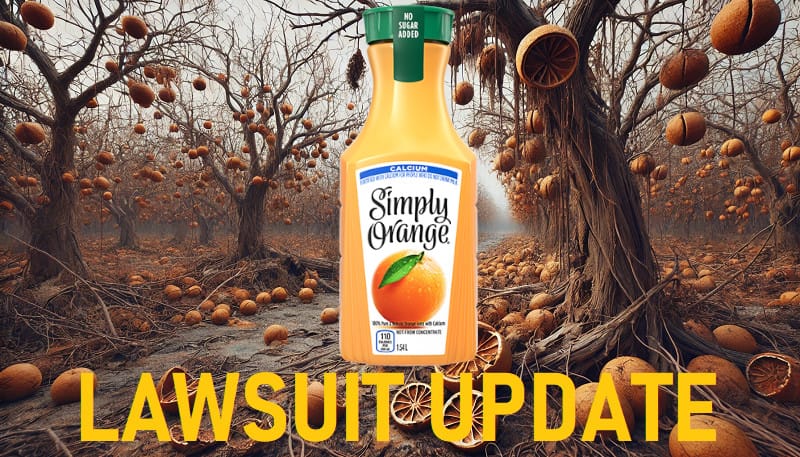
Simply Orange Lawsuit Continues: PFAS in Every Bottle

Dead rotting oranges hanging from withered trees in an abandoned orange grove and a Simply Orange Juice bottle

Simply Orange, a brand under Coca-Cola’s Simply Beverages line, is facing renewed legal action over allegations of PFAS contamination. A New York man, Joseph Lurenz, initially filed a class-action lawsuit in December 2022, claiming that Simply Tropical—a juice from the Simply brand—contained per- and polyfluoroalkyl substances (PFAS) at levels far exceeding federal safety guidelines. PFAS, … Read more

Harnessing Water Fleas to Combat PFAS

wastewater treatment facility with modern architecture, featuring transparent filtration tanks where water fleas (Daphnia) remove pollutants. Scientists in lab coats monitor the purification process

A surprising solution to water pollution has emerged from an unlikely source: the tiny water flea, Daphnia. Researchers at the University of Birmingham have found that these microscopic organisms could transform wastewater treatment by effectively removing persistent pollutants like per- and polyfluoroalkyl substances (PFAS), pharmaceuticals, and pesticides. This breakthrough offers a sustainable, low-energy alternative to … Read more

DeepSeek AI Lists Biggest Stories On Drinking Water

A glass of water with bubbles and the DeepSeek logo featuring a whale, highlighting the biggest drinking water quality stories of 2025.

DeepSeek V3 & DeepSeek R1 (DeepSeek R1 is the model we used) are new AI models recently released that is currently taken the internet by storm over this past weekend, upending Chat GPT as the number one app on the Apple App Store. We asked it what are the most important stories to date around … Read more

The E.P.A. Promoted Toxic Fertilizer for Decades

Farm field with crops fertilized by sewage sludge, wastewater treatment plant in the background, warning sign about PFAS contamination.

For decades, the Environmental Protection Agency (E.P.A.) has encouraged the use of sewage sludge as fertilizer, a practice marketed as sustainable waste management. However, evidence reveals that this sludge, often laden with toxic PFAS, also known as “forever chemicals,” contaminates farmland, food, and water sources nationwide. The origin of these chemicals, their risks, and the … Read more